

Wedding vows are often beautiful, emotional and deeply sincere. There are smiling couples, teary brides and grooms, proud parents and promises to love each other forever. But there is an important question we rarely ask: Are our wedding vows really a commitment to the marriage we are about to build, or are they simply a description of how we feel on our wedding day? The wedding day is a wonderful moment. But marriage is not one moment. It is a relationship that may last 20, 30, 40 or more years—and the people standing at the altar will inevitably change during that time. That is why I believe couples need realistic vows: commitments that recognise where they are in their relationship and what they will need from each other as their lives unfold. A wedding is a line in the sand In my book Mutual Healing After the Affair, I argue for greater informed consent when couples make the decision to commit to a life together. Think about buying a house. Before making that commitment, we examine the contract, understand the obligations and consider whether we can realistically meet them. It is, in many ways, an "eyes wide open" decision. Choosing a life partner is arguably an even more profound commitment. Yet couples are rarely given the same opportunity to carefully consider what they are actually committing to. The wedding ceremony provides an opportunity to change that. Rather than simply promising that we will always feel the same way about each other, our vows can become a line in the sand—a conscious statement about how we intend to approach our relationship when life inevitably changes. Love is important—but it isn't enough Of course, love, passion, affection and closeness are important. Hopefully they will be regular parts of a couple's life together. But feelings change. There will be times when work, children, financial pressures, illness, family responsibilities or simply exhaustion make it difficult to feel loving and connected. There may even be periods when both partners desperately need some space from each other. If we believe that a successful relationship means always feeling in love, those inevitable periods of disconnection can become frightening. We can start asking: "What's wrong with us?" "Have we fallen out of love?" "Does this mean we're no longer right for each other?" A more realistic approach recognises that the quality of a relationship cannot be measured by the intensity of feelings on any particular day. Instead, we need commitments that help us navigate the changing landscape of a long-term relationship. This is where the You, Me, Us model becomes particularly useful. You, Me and Us: Three commitments within one relationship A healthy long-term relationship involves three interconnected elements: You – who you are as an individual. Me – who I am as an individual. Us – the relationship we create together. A strong relationship doesn't require either person to disappear into the couple. Instead, each person continues to grow while also investing in the relationship. That means our vows need to recognise all three. I will continue to grow as a person. I will support your growth as a person. And we will continue to work on the growth of our relationship. But what those commitments look like will change depending on where the couple is in their journey. For young, newly connected couples: "How will we grow together?" For a young couple who are newly committed to each other, the central question might be: How do we grow as a couple while continuing to grow as individuals? You may be beginning adult life together. Careers may change. Children may arrive. Friendships and family relationships may evolve. Your priorities at 25 or 30 may be very different from those you have at 40 or 50. Your vows could therefore focus on a commitment to remain curious about one another. "I promise not to assume that I will always know who you are. I will remain interested in the person you are becoming." "I will support your growth, even when that growth takes you in directions I didn't expect." "I will continue to work with you to build an 'Us' that reflects the people we are becoming." This is a very different commitment from promising that you will simply love each other forever. It acknowledges something much more realistic: We don't know exactly who we will become—but we are committing to growing together. For couples who have been together for a while: "What does this commitment mean now?" Not every wedding involves two people who are starting their relationship. Some couples have already been together for many years. They may have lived together, built careers, raised children, experienced successes and endured difficult periods before deciding to formalise their commitment. For these couples, the question is different. What does this commitment mean for our ongoing relationship? The vows can acknowledge the relationship that already exists while making a conscious commitment to what comes next. "We have already shared many chapters of our lives. I don't promise that the next chapters will be easy, but I promise that I will continue to invest in us." "I will keep making room for you as you change, and I will ask you to make room for me as I change." "When life puts pressure on us, I will remember that the problem is something we need to face together, rather than something that makes one of us the problem." These vows recognise that commitment isn't something completed on the wedding day. It is something we continue to choose and practise. For second and subsequent relationships: "How do we bring newness to this relationship?" For couples entering a second or subsequent significant relationship, there is another important dimension. We don't arrive in a new relationship empty-handed. We bring our history with us. Previous relationships may have given us wisdom, but they may also have left hurt, fear, habits and assumptions that can influence the new relationship. The important question becomes: How do we heal from previous relationships so that we can bring newness to this one? This doesn't mean pretending the past didn't happen. It means taking responsibility for understanding what we learned, what we need to let go of and what we don't want to repeat. The vows might include: "I will not ask you to pay for the mistakes of someone who came before you." "I will try to recognise when my past is influencing how I respond to you." "I will work on healing the parts of myself that could otherwise prevent me from being fully present in this relationship." "I will give this relationship the opportunity to become something new, rather than expecting it to repeat what happened before." That can be a profoundly meaningful commitment. Because you are not my previous partner, and this relationship is not my previous relationship. Realistic vows create realistic expectations Perhaps the most important thing about realistic vows is that they don't diminish romance. They make the romance more meaningful. Instead of promising something we cannot control—"I will always feel exactly as I do today"—we promise something we can influence: I will keep growing. I will support your growth. I will invest in us. I will be honest when things become difficult. I will remain curious about who you are becoming. And I will work with you to create a relationship that can change as our lives change. The commitment is not that nothing will change. The commitment is that we will learn how to change together. What matters when we are 30 may not be what matters when we are 45. We may become parents. Our careers may change. We may face illness, loss, relocation or financial pressures. Eventually our children may become independent and leave home. Each stage creates a different relationship—and requires us to renegotiate what "Us" means. Your vows should belong to your relationship There is no single set of perfect wedding vows. The right vows depend upon You, Me and Us—and where you are in your journey together. For a new couple, the commitment may be about growing together. For a long-established couple, it may be about renewing and deepening an existing commitment. For a couple beginning again, it may be about healing the past and creating something genuinely new. Perhaps the most important vow is therefore not: "I promise that I will always feel this way about you." Perhaps it is: "I promise to keep learning how to be your partner." Because a lifelong relationship isn't created by two people who stay the same. It is created by two people who are prepared to keep becoming—and to keep discovering how You, Me and Us can grow together.

A healthy relationship isn't about two people doing everything together. Nor is it about becoming so independent that you eventually live separate lives. A strong, long-term relationship involves finding a balance between individuality and connection. Each partner needs space to develop as a person, while both continue to invest in the relationship they are creating together. This is particularly important as relationships move through different stages of life. The person you married at 25 may not be the same person at 45 or 65—and neither are you. For a relationship to remain healthy, both partners need to be willing to grow and change .

A relationship model for couples who want to keep growing together and as individuals after 15 years of marriage, with reflection questions to help you plan the next chapter together.

In our last post, we looked at the challenges that face us all, namely ending one very absorbing part of our lives and starting another. Case Study
Let me tell you about my friend Bill. He was preparing for retirement from a high profile and rewarding career. I asked him what retirement would look like for him? He

For many United Nations staff, retirement or the end of an international contract has been imagined as a long-awaited homecoming. After years—sometimes decades—of serving around the world, returning home seems like the natural next chapter. Yet for many people, the transition is far more challenging than expected. The question is not simply, "Where will I live?" or "What will I do?" The more important question is: "Who will I be once the UN is no longer part of my identity?" Leaving More Than a Job Working for the United Nations is much more than employment. It provides purpose, challenge, intellectual stimulation, international friendships, and a strong sense of belonging. Every assignment brings new cultures, new colleagues, and opportunities to make a meaningful difference. When that comes to an end, many people discover that they have not simply left a job—they have left a way of life. The routines disappear. The constant movement stops. The professional status fades. The conversations that once revolved around humanitarian crises, peacekeeping missions, development projects, or organisational reform become memories rather than daily reality. This can leave people wondering where they now fit. Returning Home Doesn't Mean Returning to the Same Life One of the greatest surprises is that home has not stood still while you were away. Family members have grown older. Friends have established new routines, interests, and relationships. Communities have changed. Technology has changed. Even neighbourhoods may feel unfamiliar. While you may have spent years living extraordinary experiences across continents, those back home have been living equally meaningful lives of their own. It is easy to assume that friends will be fascinated by stories of life in Afghanistan, South Sudan, Geneva, New York, or Nairobi. Some will be. Many will not. Not because they don't care about you—but because those experiences are difficult to relate to. Their daily lives have revolved around local schools, careers, grandchildren, sporting clubs, and community events. Your international experiences may seem remote from their own reality. This can leave returning expatriates feeling unexpectedly isolated. What Will You Share Together? Relationships thrive on shared experiences and common interests. If your friendships were built twenty years ago, those common interests may have gradually disappeared while you were overseas. Ask yourself: • What interests do we still share? • What activities could bring us together? • How will I reconnect without expecting life to pick up where it left off? Rebuilding friendships often requires curiosity about other people's lives rather than expecting them to be curious about yours. Listening may become more important than telling stories. In our next post, we will examine preparation for this important stage of your life.

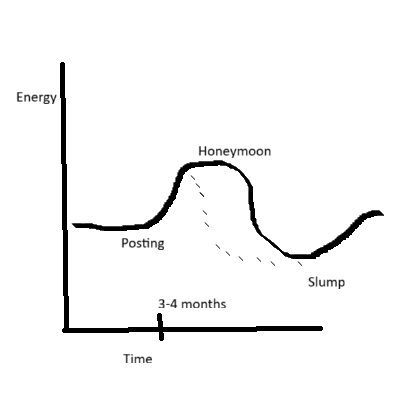
When the initial excitement begins to wear off, stress can creep in quietly. This is often when unhealthy coping strategies start to emerge. You might find yourself relying on alcohol to unwind, withdrawing from friends and family, working longer hours to avoid difficult emotions, or becoming more irritable and arguing more often with your partner. These behaviours can provide temporary relief, but they often make adjustment more difficult in the long run. Instead, notice these early warning signs and respond by reconnecting with the habits that promote resilience—exercise, quality sleep, open conversations, maintaining social connections, and seeking support before problems become entrenched. The honeymoon phase doesn't last forever. By investing in both your career and your family's wellbeing from the beginning, you'll build a stronger foundation for a successful and rewarding international experience.

If you’re living overseas as a couple, you might recognise this moment: You’re having an argument… and somewhere in the middle of it, one of you thinks, “Why are we here again?” It can feel confusing—especially when you know you care about each other. Living abroad brings a lot of good things. But it also quietly turns up the pressure: You’re away from your usual support people Everyday life takes more effort (even simple things) One or both of you may feel off-balance more often than you expected And when stress goes up, something very human happens—we fall back into familiar, automatic ways of reacting. The “Voices” We Slip Into Under Stress Transactional Analysis (TA) offers a really simple way of understanding this. It suggests that we all speak from three different parts of ourselves: Parent – learned messages (supportive or critical) Adult – calm, present, and grounded Child – emotional, reactive, or playful When things are going well, we move between these pretty easily. But when you’re stressed—such as various stages of a posting or international assignment—those flexible shifts can get stuck. You might notice patterns like: One of you sounding critical or controlling The other becoming defensive, withdrawn, or reactive Suddenly it’s not really about the dishes, the plans, or the paperwork anymore. It’s a pattern playing out. Why This Happens More When You’re Living Abroad When you’re away from your usual support systems, your relationship carries more weight. There’s less space to: Vent to a friend who “just gets it” Get perspective from family Take a proper emotional break from each other So small stresses build up—and often come out sideways. You might find yourselves thinking: “I’m doing everything here.” “You don’t understand how hard this is for me.” “I can’t seem to get anything right.” These aren’t just complaints—they’re signals that you’re both under strain. TA calls these repeating, frustrating loops “games.” Not because they’re trivial—but because they follow familiar, predictable patterns. The good news is: once you can spot the pattern, you can change it. Finding Your Way Back to “Adult to Adult” The part of you that helps most in these moments is the Adult state . This is the version of you that: Speaks about what’s actually happening now Listens to understand (not just to respond) Slows things down instead of escalating It doesn’t mean being perfect or calm all the time. It just means noticing when you’ve been pulled into a pattern—and gently stepping out of it. Sometimes that looks like: “I think we’ve slipped into that loop again” “Can we pause and try this differently?” Simple, but powerful. I am not suggesting that Adult is the preferred state all the time, but it certainly is during moments of stress and tension.

Some years ago, I was working in Tasmania as a Staff Counsellor in a local hospital. I consulted with Shari, an Irish nurse who was part of the (then) government program of bringing overseas nurses to supplement the Australian workforce. Shari was struggling, emotional and teary, and not sleeping. The GP diagnosed depression and prescribed anti-depressants. In my opinion, this was an adjustment reaction rather than a clinical disorder and I conducted therapy accordingly. Shortly after, she obtained a new job in Queensland. Later, she emailed me, thanking me for the insightful and beneficial counselling. Relocating to a new country is exciting, but it also brings significant change. It is normal to experience a mix of emotions as you adapt to unfamiliar surroundings, customs, and routines. Common challenges include: Culture shock Homesickness Language barriers Building new social networks Navigating unfamiliar healthcare, banking, and government systems Different workplace expectations Financial pressures Family adjustment challenges Recognising these challenges early can help you take positive steps to support your wellbeing. 1. Recognise the Signs of Stress Everyone experiences stress differently. Be aware of changes in your physical, emotional, or mental wellbeing. Common signs include: Feeling overwhelmed or anxious Irritability or mood changes Difficulty sleeping Fatigue Loss of motivation Difficulty concentrating Social withdrawal Frequent headaches or muscle tension If these feelings persist or begin affecting your daily life, it may be time to seek additional support. 2. Prepare Yourself Before and After Arrival Learning about your new environment can reduce uncertainty and build confidence. Helpful steps include: Learn about local customs and cultural expectations. Familiarise yourself with local services and transport. Understand how healthcare works. Learn key phrases in the local language. Set realistic expectations about the adjustment process. Accept that culture shock is a normal part of relocation. Remember that adjustment takes time, and everyone adapts at a different pace. 3. Build Your Support Network Strong social connections are one of the best protective factors against stress. Look for opportunities to connect with: Other expatriates Local community groups Sporting clubs Volunteer organisations Professional associations Cultural or religious communities Neighbours and colleagues Maintaining regular contact with family and friends back home can also provide valuable emotional support while you establish new relationships. 4. Look After Your Physical and Mental Wellbeing Healthy daily habits improve resilience during periods of change. Try to: Maintain regular sleep routines. Exercise regularly. Eat balanced meals. Spend time outdoors. Continue hobbies and interests. Practice relaxation or mindfulness techniques. Maintain a healthy work–life balance. Small, consistent self-care habits often have the greatest long-term impact. 5. Learn Healthy Ways to Cope When challenges arise, focus on strategies that help you adapt rather than avoid problems. Helpful coping strategies include: Breaking problems into manageable steps. Keeping a journal. Talking openly with trusted people. Celebrating small achievements. Remaining curious about cultural differences. Viewing setbacks as learning opportunities. Avoid relying on unhealthy coping mechanisms such as excessive alcohol use or social isolation. 6. Seek Professional Support When Needed You do not have to manage adjustment difficulties alone. Consider seeking help from: Your general practitioner or family doctor A psychologist or counsellor Employee Assistance Programs (if available) University wellbeing services Community mental health organisations Expat support services Cultural or settlement organisations Seeking professional support early can prevent small concerns from becoming more serious. During these periods: Ask for practical help when needed. Give yourself extra time to adjust. Maintain your support networks. Continue your wellbeing routines. Planning ahead can reduce uncertainty and improve confidence. 8. Continue Building Your Sense of Belonging Adjustment is an ongoing process rather than a single event. As you settle in: Explore your local community. Learn about local traditions. Develop friendships with both locals and other expats. Continue improving your language skills. Reflect on your personal growth and achievements. Be patient with yourself during periods of change. Feeling "at home" often develops gradually through everyday experiences and meaningful connections

For many expat and mixed-culture families, raising children offers the opportunity to share multiple languages, traditions, values, and life experiences. While this can be incredibly enriching, it can also create unique challenges when it comes to helping children develop a strong sense of identity and belonging.

As we said in the last post, mixed-culture relationships often challenge traditional expectations around marriage, family, and identity. Families may fear: Loss of cultural traditions Loss of language and heritage Community criticism or shame Reduced social standing This pressure can create conflict, guilt, and emotional division within families. Additional Risks for Mixed-Culture Couples One of the greatest risks faced by mixed-culture couples is not only conflict within the immediate family, but separation from the broader cultural community itself. When a couple is viewed as crossing cultural boundaries, they may experience: Reduced acceptance within the community Social exclusion from cultural events or gatherings Judgment and gossip Strained extended family relationships Loss of cultural support networks For some couples, this can create a painful sense of isolation. They may feel disconnected from both cultures — never fully accepted by one, while also struggling to maintain ties with the other. This can place ongoing emotional pressure on the couple as they try to balance cultural expectations, parenting decisions, and the desire to create a stable family identity. A further challenge for many mixed-culture relationships arises when children enter the picture. For the cultural partner, there is often a strong desire to preserve and pass on their culture, history, language, traditions, and values to the next generation. This desire is rarely just about maintaining customs; it is often deeply connected to family identity, ancestry, and a sense of responsibility to honour those who came before them. Many cultural partners worry that if traditions are not actively taught and practised, important aspects of their heritage may be lost within a single generation. They may want their children to speak their language, participate in cultural celebrations, understand their family's history, and develop a strong connection to their cultural roots. For some, maintaining these connections is viewed as essential to helping children develop a secure sense of identity and belonging. At times, tension can arise when partners have different views about how culture should be incorporated into family life. Questions may emerge about language use at home, participation in cultural or religious practices, involvement with extended family, and which values should take priority when cultural expectations differ. The cultural partner may fear that compromises will gradually weaken their children's connection to their heritage, while the non-cultural partner may feel uncertain about their role in traditions that are unfamiliar to them. These conversations can become even more complex when external family members become involved. Grandparents and extended relatives may place significant pressure on the couple to ensure that children are raised within specific cultural traditions. This can leave the couple navigating not only their own preferences but also the expectations of the wider family and community. When handled with mutual respect and open communication, however, children can benefit enormously from exposure to multiple cultures. They can develop a broader understanding of the world, stronger connections to diverse communities, and a richer appreciation of both sides of their family history. The challenge for many mixed-culture couples is finding a balance that allows cultural heritage to be preserved while also creating a shared family identity that reflects both parents' backgrounds. The Outsider’s Challenge The non-cultural partner often faces the difficult reality of never being fully accepted. Even when they make genuine efforts to understand, respect, and participate in their partner's culture, acceptance is not always guaranteed. In some families and communities, the outsider may continue to be viewed as someone who does not truly belong, regardless of their intentions or commitment to the relationship. This perception is often rooted in long-standing cultural values, concerns about preserving traditions, or fears about losing cultural identity. The outsider may experience: Feeling excluded from family discussions or decision-making Being treated differently from other family members Having their cultural background criticised or dismissed Constant pressure to prove their commitment and respect Being blamed for family tensions or disagreements Feeling unwelcome at cultural gatherings or celebrations In some cases, subtle forms of exclusion can be just as damaging as open rejection. Community members may be polite on the surface while continuing to withhold genuine acceptance or trust. This can leave the outsider feeling as though they are permanently on the outside looking in. Language barriers can further complicate matters. Conversations may take place in a language the outsider does not understand, creating feelings of isolation and disconnection. Even when exclusion is unintentional, the experience can reinforce the sense of not belonging. Over time, these experiences can affect self-esteem, mental health, and relationship satisfaction. The outsider may begin to question whether they will ever be accepted, while their partner may feel caught between loyalty to their family and commitment to the relationship. This dynamic can place significant strain on the couple. The cultural partner may feel pressured to defend their relationship, while the outsider may feel unsupported or misunderstood. Without open communication and mutual support, resentment and emotional distance can develop. Despite these challenges, many mixed-culture couples successfully build strong and fulfilling relationships. Success often comes from developing a shared identity as a couple, setting healthy boundaries with family members, maintaining open conversations about cultural differences, and recognising that acceptance from others may take time—or may never fully occur. Ultimately, the goal is not always complete approval from every family or community member, but creating a relationship built on mutual respect, understanding, and a sense of belonging that the couple creates together.